 This website uses cookies.
  Magic: The Gathering Secrets of Strixhaven Review, Part 1 of 4: The Mechanics
Secrets of Strixhaven will release to Magic: the Gathering Online and Arena on April 21st, and to the tabletop on January 24th. Commander: Secrets of Strixhaven will release on the same date.
New Mechanics
 Credit: Wizards of the Coast
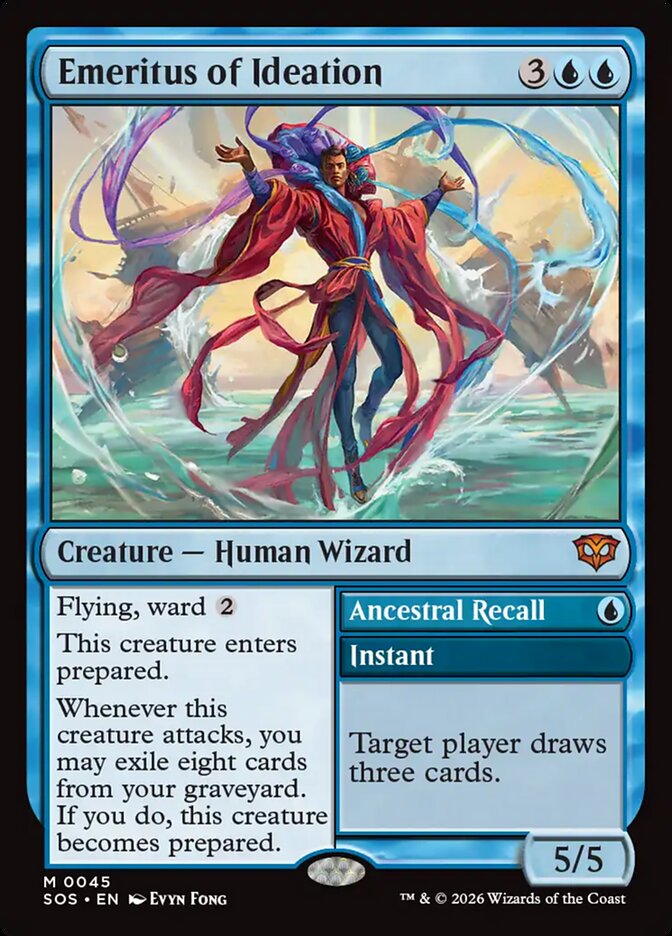
Prepare
For Prepare, the devil's in the details. Creatures with a Prepared Spell are either Unprepared, or Prepared, and in the latter case a copy of their Prepared Spell sits in exile, waiting to be put into the stack & cast during its appropriate timing window. Once a Prepared Spell enters the stack, its linked object, the Creature, becomes Unprepared. Secrets of Strixhaven is chock full of ways to re-Prepare Creatures, whether through their own abilities or those of associated Colorless cards, and the mechanic opens up a brand-new space along the lines of Adventure or Omen, from previous sets. To simplify things, think of the Creature itself casting the Spell, and you've got a rough idea of how things work.Saffgor: Following in the footsteps of Adventure & Omen, Prepare is another iteration on a 'card within a card', and it may just be my favorite. I've already covered some of the cool things it can do in Commander, via Lluwen, Exchange Student, but suffice to say there's tremendous potential here. A lot of the Prepare Creatures in this set, however, are close to vanillas beyond their accessible Spell, which makes evaluating them rather difficult; are we interested in a vanilla 2/3 for {2}{R}, if it 'draws' us a Seething Song? I feel as though the playability of these cards requires you be able to wring out some secondary benefit, e.g. for Magda, Brazen Outlaw, Blazing Firesinger is a Dwarf. The biggest thing to consider in Commander is the fact that these Prepared Spells originate in exile, meaning all your Paradox triggers and payoffs for casting from exile work with them. Obviously this is huge for Black & Red, but pretty much every color but White has ways of benefitting, and even then there's Appa, Steadfast Guardian. In a Prepare-heavy deck, you can pull on so many facets of the mechanic for synergies, from blinking Creatures that enter Prepared, caring about casting the Spells itself, or from where those Spells are cast from. Also a great way to play Instants/Sorceries as Commanders, while not making...literal Instant/Sorcery Commanders. Not only that, but for future sets, Prepare is currently openly worded to allow for Prepared Permanent Spells, and seeing something like a Prepare-Pacifism body in a hypothetical Modern Horizons 4 seems likely. Great mechanic.
FromTheShire: While getting extra copies with extra steps of these many iconic spells is pretty neat in Commander, we already have access to the real deal in almost every case so they don't feel massively impactful. In 60 card formats though, they feel like they could really unlock some brand new heights of power. I would assume we are more likely to see the ones that can re-prepare themselves seeing play outside of Standard unless the effect is just that good as a one off, they generally are not SO good that you can afford to run both them and dedicated preparing slots. In general, it's pretty cool to see some of these spells that could otherwise never be printed, and to give newer players a chance to appreciate some of the classics.
BPhillipYork: Prepare is more or less adventure in reverse, but more so. Rather than cast the spell into exile then cast the creature, you cast the creature up front. It opens up a huge amount of design space, essentially stapling a spell onto a creature. The creatures that can automatically re-prepare themselves are inherently obviously powerful, since effectively this ends up being an extra card draw per turn. On top of that some of the creatures themselves have solid synergy with their prepared spells. There's also the simplest way of re-enabling a prepared spell, which is probably to flicker your creatures in various ways (or sacrifice and reanimate them). But there's also at least one card in this set that simply prepares targets. There's a lot of design room here. For example, there could be creatures that have attached spells but don't enter prepared and don't inherently have a way to become prepared in the future.
The set includes a large number of iconic spells that show up as prepared spells: Swords to Plowshares, Reanimate, Wheel of Fortune, and others that are instantly recognizable. It's cool to see these, though it also presages Wizards finding more ways to mine nostalgic moments from the past without straight reprints.
 Credit: Wizards of the Coast
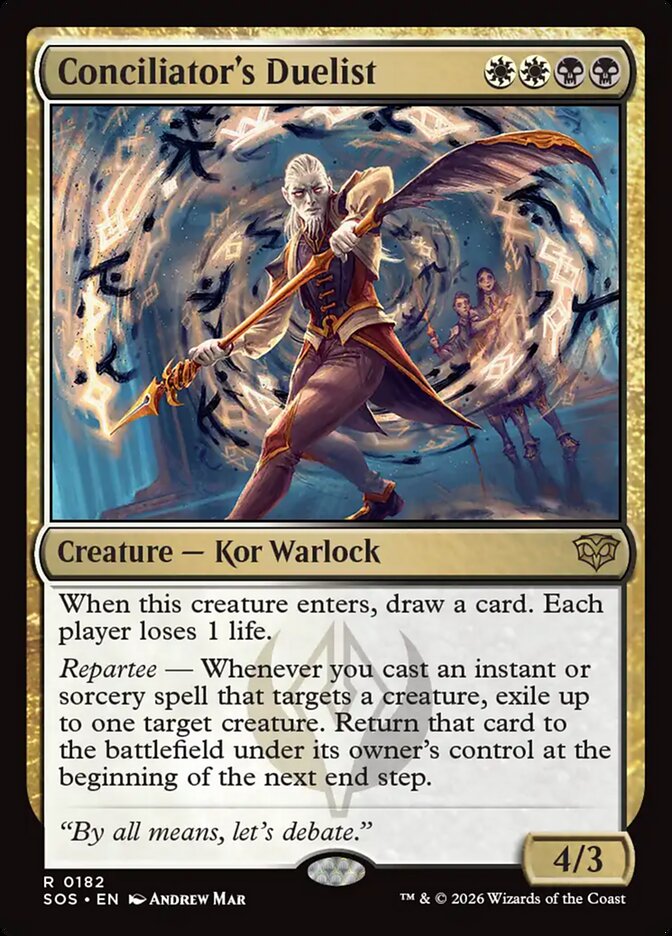
Repartee
Repartee is the first of several ability words introduced in Secrets of Strixhaven as replacements for the original set's Magecraft. Importantly, ability words are not keywords, and have no implicit effect on gameplay beyond their following text. All Repartee effects in the set trigger whenever you cast an Instant or Sorcery that targets one or more Creatures, no matter who controls them.Saffgor: It's Heroic, but only Instants & Sorceries, and also your opponent's Creatures. I mean, sure, this is a flavor win for Black-White, with their ample kill and buff Spells, but is it interesting? No, not especially.
FromTheShire: Yeah this cycle is meant to highlight triggered abilities thematic to each school, so kind of isn't a new mechanic, but is close enough for our review purposes. That does mean as a "mechanic" they're not really doing a ton. Repartee has some decent payoffs for something you want to be doing anyway though, i.e. interacting with creatures.
BPhillipYork: It's sort of strange to see repartee show up in black/white, it really seems like an ability for red, and maybe green. Generally speaking black and white spells targeting creatures tend to kill them. Unlike say, Zada, Hedron Grinder and it's ilk, to benefit from this ability you don't have to target one of your creatures, and that's a critical difference. You can just kill a creature to buff your own creatures, which creates fairly strong tempo in 1v1 games, but depending on the effect may fall flat in Commander. It's a decent ability that has a lot of situational potential for certain deck archetypes.
 Credit: Wizards of the Coast
Opus
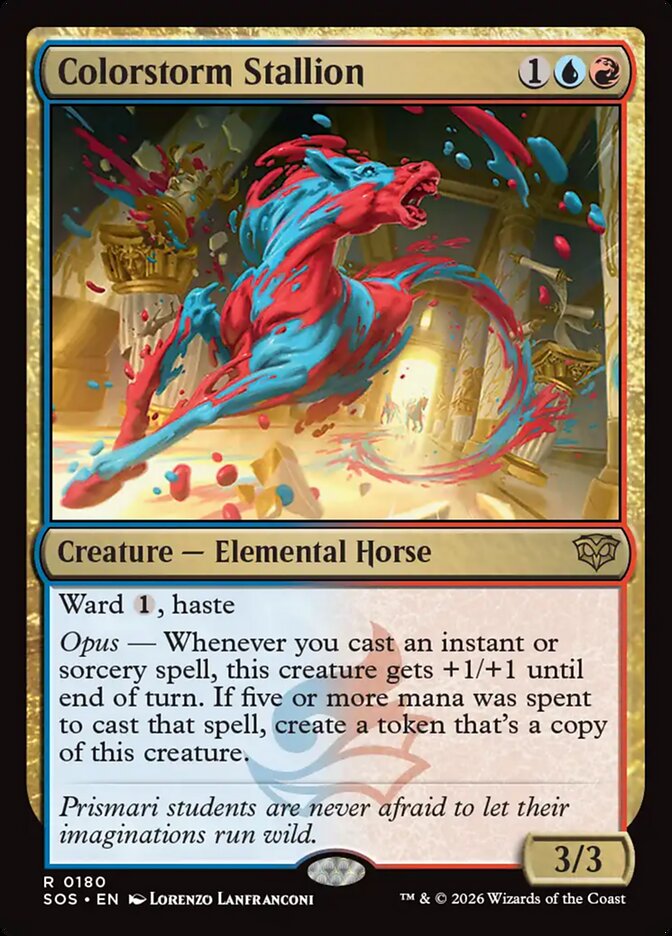
Opus is another ability word that always has some kind of effect when you cast an Instant or Sorcery, but a different or additional effect if 5 or more mana was paid to cast that Spell. Mana must enter and leave your mana pool for the effect to count it, meaning alternative costs like Convoke or Improvise don't contribute to Opus' 5 mana riders.Saffgor: Ability words are almost always less interesting than keywords, but Opus makes a good attempt. Opus is just Magecraft, again, but instead of also triggering when you copy an Instant or Sorcery, it gets a splashier effect when 5+ mana is spent. Between this and Increment, the intent is clear: Sling big Spells...and actually pay for them. The interesting bit with Opus comes in the form of rituals like Mana Geyser, Brass' Bounty, etc, as well as those with Buyback. Still, the safety rails prevent too much fun from being had.
FromTheShire: Prowess continues to be a very strong archetype in 60 card, and while Opus is slightly different it still very much supports the same game plan. More often than not you're probably not triggering the 5 mana clause, but when you do it's a sweet bonus.
BPhillipYork: This is basically prowess +, with the 5-mana variant being fairly powerful, the wording of the 5-cost is a bit strange, and it's about how much mana you paid, vs the spells converted cost or something like that. So a Force of Will won't trigger it if you cast via exiling, and the way you pay mana costs with 2 vs hybrid mana or even tax cards that increase casting costs can cause you to hit this threshold (really any kind of additional cost, generally, like kicker), which is a bit strange. Nonetheless it's sort of nice to see Magic rewarding casting big spells, instead of focusing on hyper efficient cheap spells. Big flashy stuff is really just more fun.
 Credit: Wizards of the Coast
Infusion
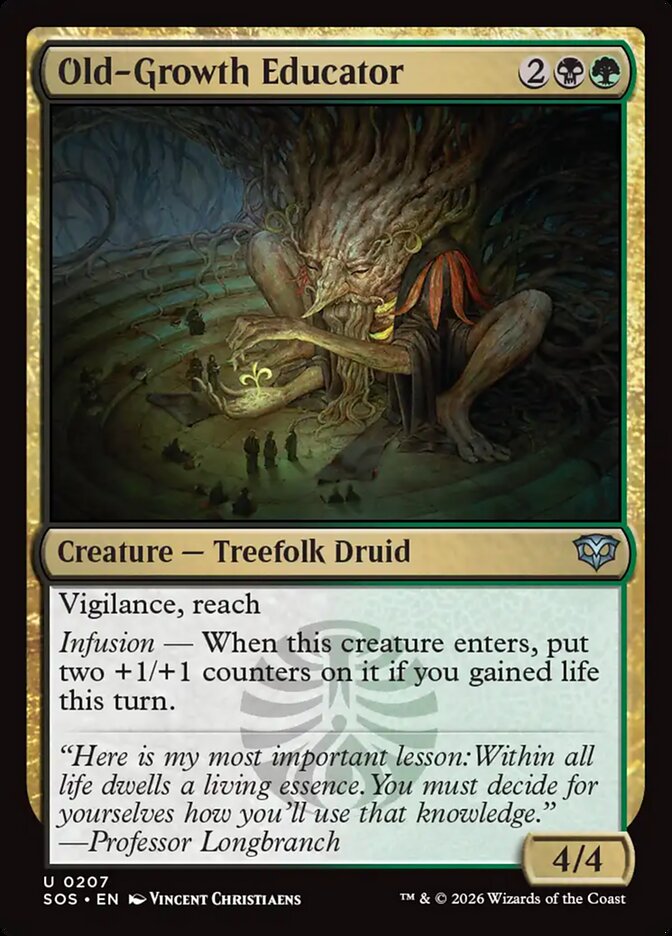
Infusion is an ability word that provides some benefit if you've gained life during the current turn. Importantly, it almost always 'checks', meaning it enters the stack but sometimes resolves without effect, meaning that if you gain life while the ability is on the stack, it resolves for its full effect (outside of effects which occur when entering the stack, like targeting, etc). This makes it especially strong with Soul Warden-style abilities.Saffgor: Infusion is almost always going to be on, especially during your turn, to such an extent that it's barely an ability word for decks built to utilize it. Guys, you really didn't have to give every school their own mechanic, some of these are stretches.
FromTheShire: We have seen a couple of very powerful payoffs tied to this which kind of saves it but yeah this is very much a "this could have been an email" of abilities.
BPhillipYork: Infusion is really creating a keyword for an ability that has become at least deciduous, so it's useful to see it reduced to something like that. The way it's triggered means you can have a creature enter play, and then have a gain life trigger when a creature enters, and you can arrange the stack so you gain the life first, then the infusion trigger will resolve and get the effect. I think that's kind of neat, I don't know if they really thought it through that way, but creature entering life gain is extremely accessible and common.
 Credit: Wizards of the Coast
Increment
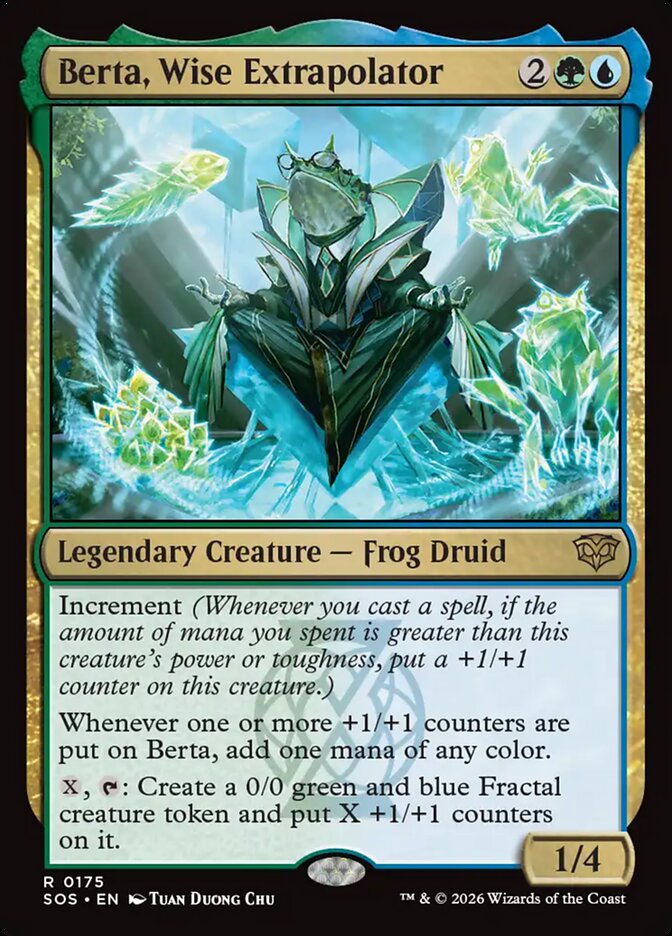
Increment is a new keyword seen on Creatures that provides a +1/+1 counter when you cast a Spell, and spent mana greater than its current power or toughness. This triggers as soon as the Spell enters the stack, meaning changing that Creature's stats prior to the Spell's resolution does not trigger Increment.Saffgor: Caring about mana spent makes this more of a ramp payoff, than discount payoff, but also radically decreases its breakability. Given the X-Spells, and Opus, in Secrets of Strixhaven, this makes sense...but doesn't do a ton for a Johnny like me. In a set where Kicker returns, I could see this again, but here it's rather milquetoast.
FromTheShire: It's not super flashy but I don't hate seeing basically Evolve return. It's probably slightly easier to trigger overall than Evolve even which is nice.
BPhillipYork: This again feels kind of like mutate, but instead it's casting spells. That being said, generally Increment is going to trigger a lot more commonly, since it will trigger off any kind of spells, not just creatures.
 Credit: Wizards of the Coast
Paradigm
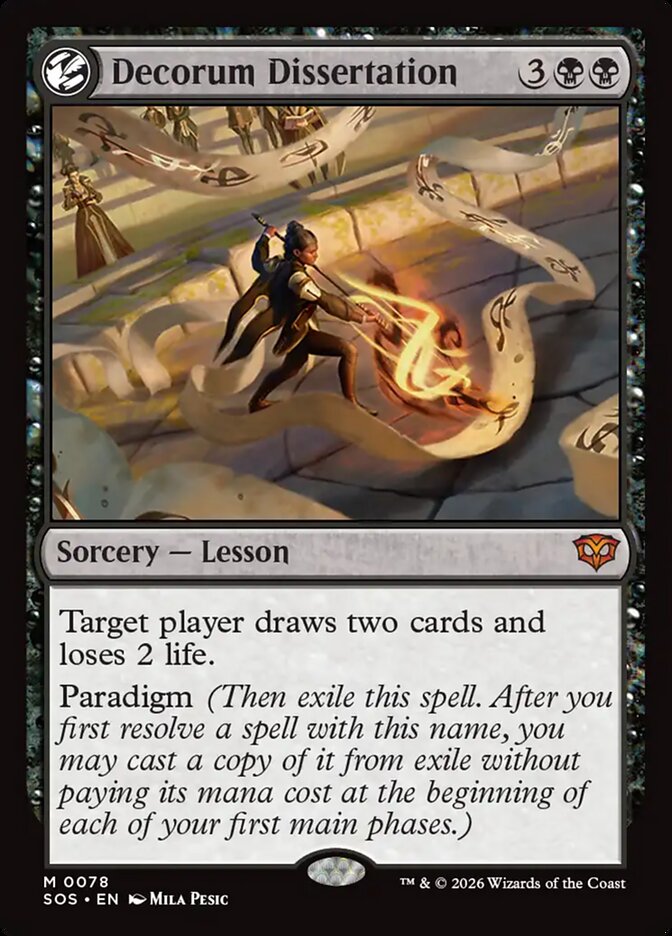
Paradigm is a 'fixed' version of Epic, which debuted in Saviors of Kamigawa, allowing you a Spell that is recast each turn upon resolution. Paradigm checks on resolution, only once per Spell, per Spell name, by exiling the card. At the beginning of each first main phase following a Paradigm Spell's resolution, you may choose to cast a copy from exile, similar to how Prepare Spells originate.Saffgor: Paradigm is a wildly cool effect, bogged down by the middling cycle of cards seen with it. None of these feel as flashy as the original Epic Spells, and while I understand that comes from a place of not dedicating the rest of the game to their resolution, this doesn't feel like an appropriate callback.
FromTheShire: I actually think this is an okay attempt at returning to Epic spells. They likely went a little too expensive for the effects, but I would rather that than these be overtuned problems.
BPhillipYork: I think paradigm is obviously a lot better than epic. Building a deck around spells that just keep getting cast every round seems like a fun idea to me, though I'm not sure it's going to be any good. The paradigm spells are pretty expensive, as are the time counter spells you can exile. It is pretty nice that they are optional spells, and they will trigger any cast from someone other than your hand or from exile triggers, which are adding up.
 Credit: Wizards of the Coast
Book
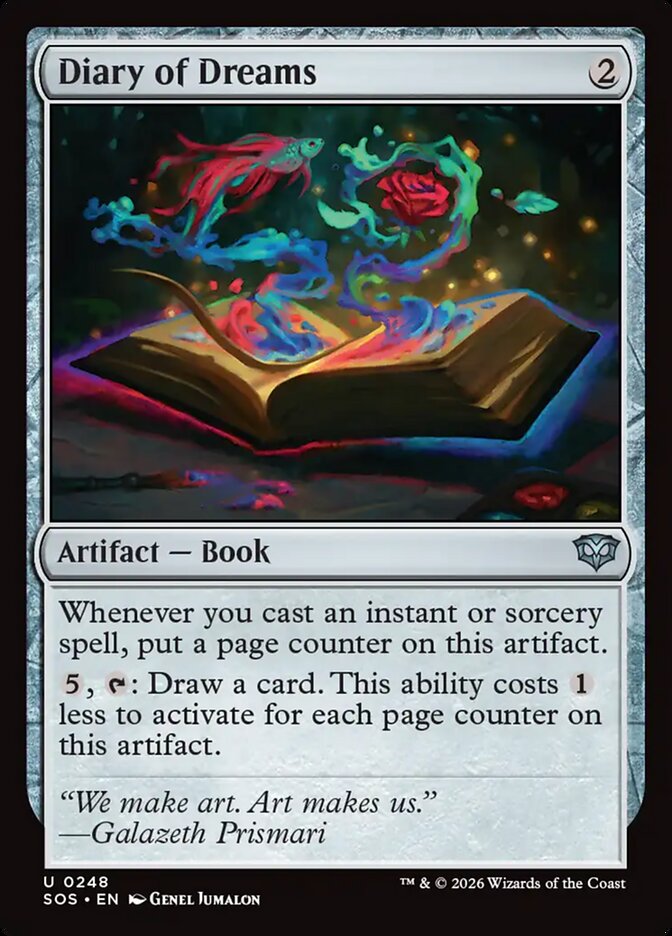
Book is a new Artifact subtype, being published only on Diary of Dreams & Codie, Vociferous Codex. Currently, it does...nothing, but that's bound to change.Saffgor: This feels like when Tarmogoyf was first printed, with weird words like 'Planeswalker' and 'Tribal' (now Kindred).
FromTheShire: Mostly a footnote for now, but once we get Oracle updates for existing books as they've said and I assume some new cards down the road this could be the start of something neat.
BPhillipYork: I sort of wonder if they'll go back and turn things like Jayemdae Tome into books, but they could definitely build around books and pages as counters to do something interesting (somewhat similar to charge counters, probably).
Returning Mechanics
 Credit: Wizards of the Coast
Flashback
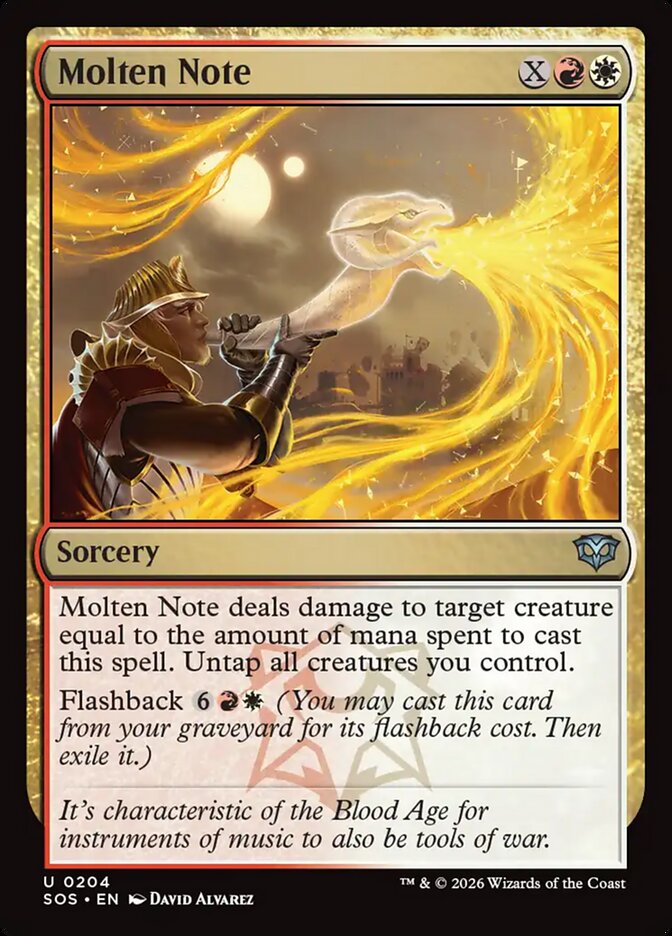
Flashback is a keyword which allows you to cast it from your graveyard, although upon its resolution, that Spell is exiled. The only way to avoid Flashback exiling the Spell is to exile it by some other means.Saffgor: Calling this the Lorehold mechanic is funny, given Flashback is perhaps one of the most commonly-reused keywords in the game, but it's still great to see. The real Lorehold mechanic is all of the 'leave the graveyard' triggers, and those open up a ton of new paths of play for Red and/or White decks. Case in point, Final Fantasy's Gau, Feral Youth, who wins the SOS award for 'Greatest rise in playability', to such an extent I've been inspired to build him in paper.
FromTheShire: Flashback is a classic for a reason, and it's always good to add more cards to the pool. That said, it's more of a drip into the pool from what we have seen.
BPhillipYork: This is basically a deciduous keyword at this point, it's useful to get double value out of things, or intentionally dump your library to your yard or that kind of thing.
 Credit: Wizards of the Coast
Converge (and 'Twobrid' mana symbols)
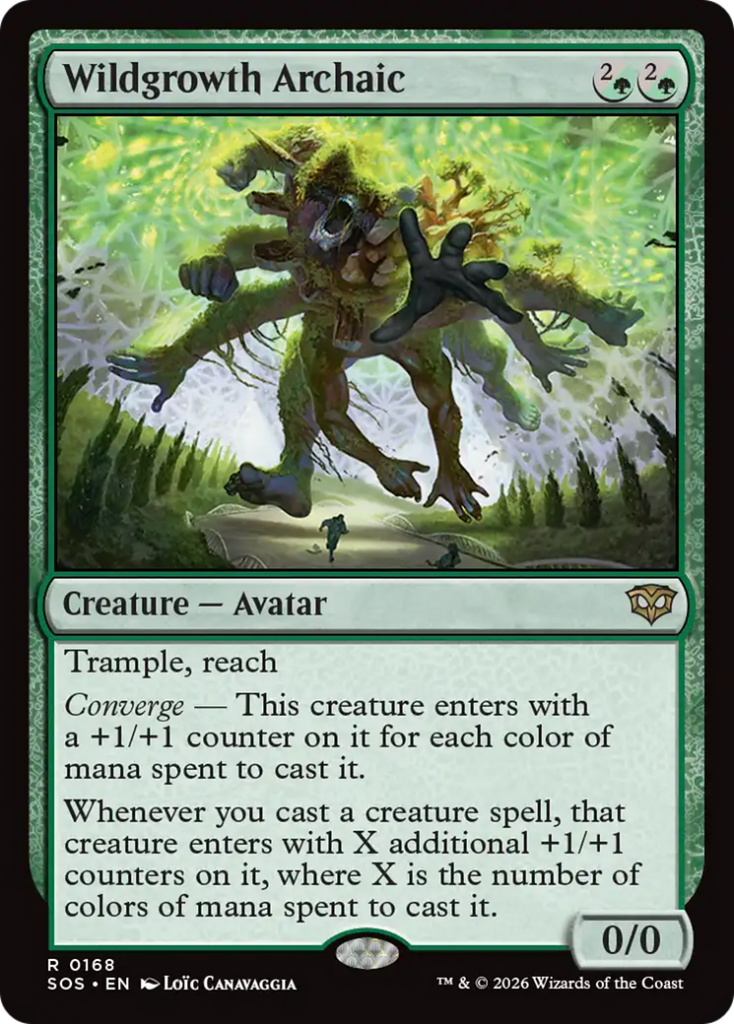
Converge is an ability word that provides scaling benefits, based on the number of different colors of mana spent to cast a Spell. In Secrets of Strixhaven, it commonly appears alongside Monocolored Hybrid Mana, commonly called 'Twobrid' mana, which denotes a cost that can be paid with 1 mana of its color, or {2} of any color.Saffgor: Converge returns, and for a set so dead-set on strict two-color pairings, a multicolor-matters mechanic makes sense. For non-Commander, this mechanic usually caps out around ~3 colors if you want to keep a consistent manabase, but generally the best place for these is in 4-5 Color decks that can max out their benefits. The more interesting aspect of many of these Converge cards is that they appear alongside another mechanic, 'Twobrid' mana. Twobrid not only increases splashability of cards, letting you play them more freely in decks lacking their color, but also raises the ceiling on potential Converge effects. You could pay {G}{G} for Wildgrowth Archaic, and have it enter as a 2/2, or indeed pay {W}{U}{B}{R}, for a 4/4. The flexibility allows it to both scale, and feel better to open in Limited as an off-color rare. Neither mechanic is amazing on its own, but combining them is a stroke of genius.
FromTheShire: This is another one that I'm whelmed to see returning. It's not bad or anything but most of the time decks aren't taking full possible advantage which leaves the end result feeling a little meh.
BPhillipYork: Converge feels a bit goofy in this multi-color focused set that also has tons of hybrid mana and weird costs. Wildgrowth Archaic itself almost needs to be errated, since you can choose to pay G as 1 colorless along with 3 other mana to get the max counters on it, which is kind of unintuitive. I do like to see more and more cards rewarding multicolor, and making multicolor matters.
"If a card left your graveyard"
While this mechanic doesn't have a keyword attached yet, it showed up on a variety of cards in Boros colors.BPhillipYork: It's interesting that we keep seeing cards for Boros that care about graveyards, and graveyard recursion. White has had various forms of reanimation, mostly focused on artifacts and enchantments, and occasionally creatures. It seems likely that this mechanic shows up again. Black and Green are the most common colors to have access to graveyard recursion, so it's a bit strange to see this show up for red and white, and a lot of the ways to trigger it most commonly live in those colors, but red has some artifact recursion as well. Plus there's a variety of other ways to get your graveyard to move, such as using flashback spells or even the various artifacts that remove single cards from graveyards.
Next Time: The Set’s Multicolor & Colorless Cards
That wraps up our look at the mechanics of Secrets of Strixhaven. We’ll be back later to look at the most noteworthy cards in the set, starting with the Multicolor and colorless cards, and then Monocolor options in the following articles.Have any questions or feedback? Drop us a note in the comments below or email us at contact@goonhammer.com. Want articles like this linked in your inbox every Monday morning? Sign up for our newsletter. And don’t forget that you can support us on Patreon for backer rewards like early video content, Administratum access, an ad-free experience on our website, and more.